How to Start a Private Label Skin Care Line for Global Buyers?
Entering the beauty industry can be daunting, yet creating a private label skin care line is a viable path. This trend has gained popularity among both seasoned entrepreneurs and new entrants. Consumers increasingly look for unique products that reflect their values and needs. This creates an opportunity for businesses to launch their own private label skin care brands.
To succeed, it’s essential to understand the market dynamics. Consumers demand quality, transparency, and sustainability. Choosing the right manufacturer can be challenging but crucial. Poor product quality can tarnish your brand's reputation quickly. Developing a clear vision for your private label skin care line will guide your decisions.
Navigating regulations and understanding supply chain logistics are necessary steps. Mistakes in these areas can lead to costly delays. While the journey may seem overwhelming, the potential rewards are significant. Reflecting on your brand values and consumer needs will set a solid foundation for your private label skin care line. Stay informed, adaptable, and committed to quality to stand out in this competitive market.

Understanding the Private Label Skin Care Market for Global Buyers
Entering the private label skin care market requires a solid understanding of global buyer preferences. Trends show a shift towards sustainability and natural ingredients. Buyers are keen on brands that stand for ethical practices.
Researching consumer behavior in different regions is crucial. Tailor your products to meet specific needs.
Tips: Analyze successful brands in different markets. Look at their pricing, packaging, and marketing strategies. This can provide valuable insights into what appeals to consumers.
Quality assurance is non-negotiable. Consider third-party testing to validate your formulations. This can bolster your credibility. It's essential to address any concerns with transparency. Communicate your sourcing and testing practices clearly.
Tips: Use social media to engage with your audience. Feedback can guide product improvements. Do not hesitate to iterate based on what you learn. Consumers value brands that listen and adapt.
Identifying Your Target Audience and Niche in Skin Care
Understanding your target audience is crucial when launching a private label skincare line. Begin by conducting market research. Identify demographics such as age, gender, and income. Take note of their skincare concerns and preferences. For instance, younger consumers may seek acne solutions, while older buyers might focus on anti-aging.
Once you have enough data, narrow down your niche. Consider specific ingredients or formulations that resonate with your audience. For example, some buyers prioritize organic or vegan products. Others may prefer cruelty-free options. Analyze your competitors to find gaps in the market. Observe what they offer and where they fall short. This reflection can guide your unique selling point.
Creating buyer personas can refine your marketing strategy. Develop detailed profiles based on research to understand your audience's behaviors and habits. For instance, if targeting eco-conscious consumers, emphasize sustainability in your branding. Align your product messaging with their values. Testing and adjusting your approach based on feedback is essential. It's a journey of trial and error. Each step provides insights to better connect with your audience.
Sourcing Quality Ingredients and Manufacturing Partners
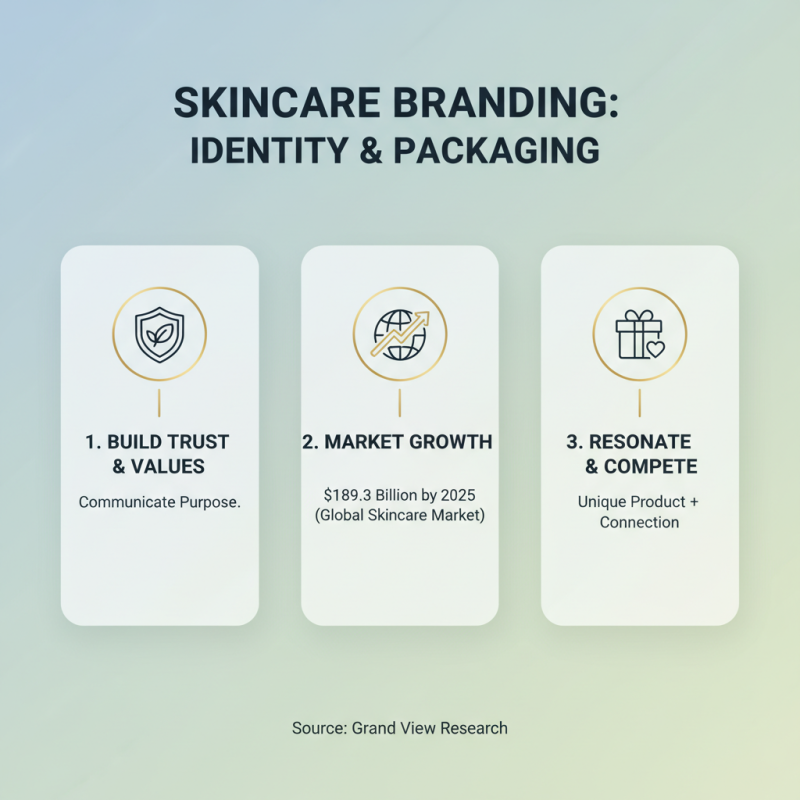
Starting a private label skincare line requires meticulous attention to sourcing quality ingredients. The global skincare market is projected to reach over $189 billion by 2025, driven by the increasing demand for natural and organic products. To capitalize on this trend, understanding ingredient quality is vital. Consumers today are more informed. They often seek brands that prioritize transparency and sustainability.
Choosing the right manufacturing partners is equally important. Research shows that 72% of consumers prefer brands that disclose their sourcing practices. This reflects a growing demand for honesty in the supply chain. Identify manufacturers who adhere to ethical practices, which can enhance your brand's credibility. Look for certifications that verify quality and safety, as these can significantly impact consumer trust.
However, not all sourcing experiences are seamless. Issues such as inconsistent ingredient quality or manufacturing delays can arise. It's crucial to establish clear communication with your suppliers and conduct periodic quality checks. This might seem tedious, but it’s essential for maintaining product integrity and customer satisfaction. Engaging with manufacturers who share your vision can also lead to innovations that differentiate your brand in a competitive landscape.
How to Start a Private Label Skin Care Line for Global Buyers?
| Aspect |
Details |
| Target Market |
Global consumers interested in organic and cruelty-free products |
| Key Ingredients |
Hyaluronic Acid, Vitamin C, Retinol, Plant Extracts |
| Preferred Packaging |
Eco-friendly packaging options, airless pumps |
| Manufacturing Partners |
Contract manufacturers specializing in skincare |
| Compliance Standards |
FDA, EU regulations, cruelty-free certifications |
| Marketing Strategies |
Social media campaigns, influencer partnerships, SEO |
| Distribution Channels |
E-commerce platforms, beauty retailers, subscription boxes |
| Pricing Strategy |
Competitive pricing matching quality and ingredients |
Creating an Effective Marketing Strategy for Global Reach
Creating an effective marketing strategy for a private label skin care line requires a deep understanding of global trends. The global skin care market is projected to reach $189.3 billion by 2025. However, tapping into this potential involves more than just quality products. Understanding specific regional preferences is key. For example, Asian consumers prioritize hydration and brightening while Western markets might lean more towards anti-aging solutions.
Building a digital presence is essential. In a recent survey, 70% of millennials purchase beauty products online. A well-designed website paired with engaging social media content can enhance brand visibility. However, many new brands struggle with consistent messaging. You need to ensure your brand voice resonates across platforms. Collaborating with influencers who align with your brand can also amplify your reach.
Consider leveraging data analytics for targeted marketing. Research indicates that personalized marketing can boost conversion rates by up to 10%. Yet, brands often overlook their existing customer data. It's important to analyze this information to refine marketing strategies. Recognizing gaps in communication can lead to better engagement and sales. Focusing on authentic storytelling can foster trust and loyalty among consumers, making it a vital element of your strategy.