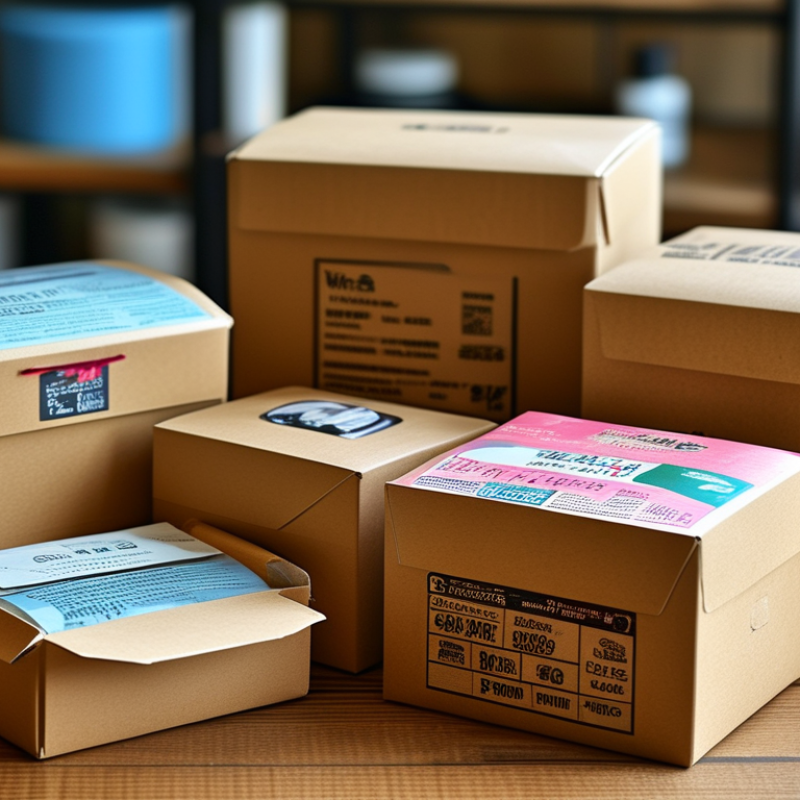
What Is a Printed Carton Box and What Is It Used For?

A Printed Carton Box is a folded paperboard package carrying protection, information, and visual identity. It commonly holds cosmetics, food, medicine, electronics, and household products. Its printed surface may include product instructions, barcodes, color panels, finishes, and regulatory details. The box also supports stacking, transport, shelf presentation, and customer recognition.

The scale is substantial. Grand View Research estimated the global folding carton market at approximately USD 171 billion in 2023. Its report projects continued growth through 2030, supported by food, beverage, healthcare, and personal-care demand. Smithers’ The Future of Global Packaging to 2028 also places worldwide packaging consumption above USD 1 trillion annually. These figures describe broad packaging categories, not Printed Carton Box products alone. Definitions differ. That matters.

Philip Kotler, a leading marketing scholar, wrote, “Packaging involves designing and producing the container or wrapper for a product.” His statement explains why carton design is more than decoration. A practical package must open cleanly, protect its contents, and communicate quickly under store lighting. An uneven fold or weak adhesive can damage that promise. Small details matter.

A Printed Carton Box may use recycled fiber, water-based inks, or lightweight board. However, sustainability claims require evidence, not attractive language. Suppliers should verify material composition, print performance, food-contact suitability, and recycling guidance. The following discussion examines what these boxes are, how they are produced, and where they create measurable value. It also questions their limits. A beautiful carton is not automatically a responsible one.

What Is a Printed Carton Box and What Is It Used For?

Definition and Core Features of Printed Carton Boxes

A printed carton box is a folding container made from paperboard, with graphics applied directly to its outer surface. It usually arrives flat, then becomes a box through scored folds and glued or tuck-in panels. Unlike a plain carton, it carries product information, handling guidance, and visual cues before the package is opened. The core material may be coated or uncoated board. Thickness affects stiffness, weight, and resistance to crushing. Small details matter.

Its printed surface is more than decoration. Clear text can identify contents, size, quantity, directions, and storage conditions. High-resolution images support recognition on a crowded shelf. A protective coating may reduce scuffing, while a matte finish can improve readability under strong lighting. The box can also use die-cut windows, hanging tabs, locking flaps, or internal dividers. These features must match the product’s shape and weight. An oversized carton wastes material and may allow movement during transport. A tight fit can create pressure marks.

Good carton development starts with measurements, mock-ups, and drop testing. Inspectors should check fold accuracy, glue strength, color consistency, and print alignment. Ink adhesion deserves attention, especially when cartons face friction or humidity. Recyclability depends on the board and added coatings, so it should not be assumed from appearance alone. Printed cartons are commonly used for food, cosmetics, electronics, household goods, and retail accessories. They protect items, communicate essential details, and support efficient shelf presentation. Yet no carton is perfect; a beautiful print cannot compensate for weak board or poor structural design.

Materials and Manufacturing Process of Printed Carton Boxes

Printed carton boxes are usually made from paperboard, not ordinary paper. Common choices include folding boxboard, solid bleached board, and recycled paperboard. Each material offers different stiffness, whiteness, print quality, and moisture resistance. The right choice depends on the product’s weight and storage conditions. A lightweight box may save material, but it can crush during transport.

Manufacturing starts with a measured dieline. The board is cut into large sheets, then printed using offset or digital methods. Offset printing suits larger runs, while digital printing supports shorter batches and variable designs. After printing, the surface may receive water-based coating, varnish, or lamination. These finishes improve appearance and help resist scuffs. However, excessive coating can make recycling more difficult.

The printed sheets are die-cut and creased. Folding lines must be accurate. Small errors can leave a lid loose or make assembly frustrating. Gluing follows, often along a narrow side seam. Quality checks should inspect color consistency, cutting edges, crease depth, and adhesive strength. A sample box should also be folded by hand before full production. It reveals problems that digital files often hide. No process is perfect. Humidity, board grain, and machine pressure can still change the final result. Careful operators record these variations and adjust production settings when needed.

Common Types and Structural Designs

What Is a Printed Carton Box and What Is It Used For?

Common Types and Structural Designs

A printed carton box is a paperboard package with graphics, product details, and protective functions. It commonly holds food, cosmetics, medicine, electronics, and household goods. Smithers’ folding carton market analysis identifies food and beverage as major demand sectors. Its outlook also expects steady global growth through 2028, supported by retail and e-commerce packaging needs.

The most common design is the reverse tuck-end carton. Its top and bottom flaps close by folding in opposite directions. Straight tuck-end cartons offer cleaner front-panel presentation and efficient shelf display. Auto-lock bottom cartons suit heavier products because their folded base adds strength. Sleeve cartons slide over trays, while window cartons expose part of the product.

Structure controls more than appearance. A 300–400 gsm paperboard grade can provide useful stiffness, but moisture, stacking height, and product weight still matter. FEFCO-style folding principles help standardize carton shapes and production drawings. Die-cut locking tabs reduce adhesive use, although poor tolerances may cause opening problems. Small details matter.

According to a PMMI packaging trends report, automation and flexible pack formats remain important priorities for manufacturers. A printed carton may need barcode space, tamper evidence, ventilation, or easy recycling. Yet decorative coatings can complicate recycling in some systems. That trade-off deserves honest review. The most attractive carton is not always the most practical one.

Main Uses Across Different Industries

A printed carton box is a paperboard package covered with graphics, text, or product information. Its main uses vary across industries. In food packaging, it holds cereal, tea, frozen meals, and dry snacks. Printed panels show ingredients, preparation details, and storage guidance. Strong folding cartons also protect products during stacking and transport.

In cosmetics, carton boxes create a clean presentation for bottles, tubes, and jars. Their surfaces support color matching, product instructions, and texture effects. Pharmaceutical packaging uses cartons for organized information and safer handling. Clear labels can show dosage guidance, batch details, and warnings. In electronics, printed cartons separate small devices from accessories while reducing movement inside the box. Retail businesses also use them to improve shelf visibility and communicate product value quickly.

Tips: Choose board thickness according to product weight and shipping distance. Ask for color proofs before full production. Small print differences can appear between batches. A glossy finish may look attractive, but it can show fingerprints easily. Also, do not judge strength by appearance alone. Moisture, stacking pressure, and poor folding can weaken a well-designed carton. Packaging tests with real products often reveal problems that computer drawings miss. In my experience, the most effective cartons balance readable information, practical protection, and efficient material use. There is rarely a perfect choice.

Printing Options, Benefits, and Selection Factors

What Is a Printed Carton Box and What Is It Used For?

A printed carton box is a paperboard or corrugated package with graphics, text, and product information. It protects goods while communicating quality on a shelf or doorstep. Folding cartons suit cosmetics, food, and small household products. Corrugated cartons handle heavier items and longer delivery routes.

Printing options include flexographic, offset, digital, and gravure processes. Flexography works efficiently for large corrugated runs. Offset printing produces sharper images on coated sheets. Digital printing supports short runs, variable artwork, and faster testing. It costs more per box, though. Smithers forecasts the global corrugated packaging market will exceed 205 billion dollars by 2029. That growth reflects e-commerce demand and the continuing need for protective transport packaging.

Selection should begin with product weight, dimensions, stacking pressure, and moisture exposure. Choose board strength before selecting decorative effects. A matte coating can hide fingerprints, while gloss improves color contrast. Foil and embossing add texture but increase material use and production complexity. The Paperboard Packaging Council reports that folding cartons remain important for brand communication and efficient shelf presentation. Still, attractive printing cannot repair weak packaging. Test samples through compression, vibration, and drop conditions that reflect real handling. I have seen designs fail because the box looked strong but used inadequate internal space. No option is perfect. Budget, print volume, recycling goals, and supply reliability also deserve equal attention. Market figures vary by report scope, so compare definitions before making a purchasing decision.

What Is a Printed Carton Box and What Is It Used For? - Printing Options, Benefits, and Selection Factors
Category Option or Factor Key Data or Characteristics Main Benefits Recommended Use
Printed Carton Box Fundamentals
Definition Printed carton box A folding or rigid packaging box made from paperboard or corrugated board and printed with text, graphics, instructions, or product information. Combines product protection with visual communication and shelf presentation. Retail packaging, shipping cartons, product kits, subscription packaging, and promotional packaging.
Primary functions Protection and presentation Provides containment, stacking support, handling convenience, product identification, and printed information. Improves packaging organization while supporting marketing and customer communication. Products that require both physical packaging and visible product information.
Common board types Paperboard and corrugated board Paperboard is commonly used for folding cartons; corrugated board adds fluted layers for greater cushioning and rigidity. Offers different levels of stiffness, protection, printability, and shipping performance. Paperboard for retail packs; corrugated board for transport and e-commerce packaging.
Printing Options
Printing process Offset lithography Uses plates and transfers ink from a blanket cylinder to the board. It is widely used for high-quality graphics on paperboard. Produces sharp images, smooth color reproduction, and consistent results on larger production runs. Retail cartons, premium packaging, product boxes, and designs with detailed images.
Printing process Flexographic printing Uses flexible relief plates and fast-drying inks. It is commonly used on corrugated board and packaging materials supplied in rolls or sheets. Supports efficient production, fast drying, and printing on many packaging substrates. Shipping cartons, corrugated packaging, large-volume packaging, and simple to moderate graphics.
Printing process Digital printing Prints directly from digital artwork without traditional printing plates. Suitable for short runs, variable data, prototypes, seasonal designs, and fast artwork changes. Samples, limited editions, customized cartons, test launches, and small production quantities.
Color system CMYK process color Uses cyan, magenta, yellow, and black inks to reproduce a broad range of images and colors. Effective for photographs, illustrations, gradients, and multicolor artwork. Cartons containing product images, lifestyle graphics, or complex visual designs.
Color system Spot color Uses separately mixed ink colors rather than building every color from CMYK process inks. Can provide more consistent reproduction for specific colors and simple graphic layouts. Packaging with large solid color areas, limited-color artwork, or strict color requirements.
Surface finish Matte or gloss coating A coating is applied over the printed surface to alter appearance and improve resistance to scuffing or handling. Matte offers a softer, low-reflection appearance; gloss enhances brightness and visual contrast. Matte for premium or understated packaging; gloss for colorful retail cartons.
Surface finish Varnish or aqueous coating A protective coating applied to selected areas or the full printed surface. Aqueous coatings are water-based and commonly used in paper packaging. Improves surface appearance and can help protect printed areas during handling. General retail cartons and packaging requiring practical surface protection.
Decorative finish Foil stamping or embossing Foil stamping adds a metallic or specialty effect; embossing creates a raised or recessed surface. Adds tactile interest and visual emphasis to selected design elements. Premium presentation boxes, gift packaging, and cartons requiring enhanced shelf impact.
Benefits of Printed Carton Boxes
Brand communication Printed identity and graphics Carton surfaces can display product names, descriptions, illustrations, usage instructions, and required handling information. Helps customers recognize and understand the product before opening the package. Retail and direct-to-consumer packaging where product communication is important.
Product protection Structural support Board thickness, carton style, internal inserts, and corrugated fluting influence resistance to compression, impact, and movement. Reduces the risk of crushing, abrasion, and product displacement when properly specified. Fragile, heavy, irregularly shaped, or transport-sensitive products.
Consumer convenience Functional carton design Features may include tuck flaps, auto-lock bottoms, handles, tear strips, windows, dividers, or resealable structures. Can improve opening, closing, carrying, dispensing, and storage. Food, personal care, household, electronics accessories, and multi-piece product sets.
Material efficiency Lightweight paper-based construction Paperboard cartons can provide useful stiffness with relatively low material weight, while corrugated cartons add protection through fluted structure. Supports efficient packing, storage, and transportation when the board grade is correctly selected. Products where packaging weight and space efficiency are important.
Recycling potential Fiber-based packaging Clean, primarily paper-based cartons are commonly suitable for paper recycling systems, subject to local collection rules and coating or component restrictions. Can support packaging recovery goals when designed with compatible materials. Packaging programs focused on fiber-based materials and simplified component construction.
Selection Factors
Product dimensions Length, width, and height The internal carton dimensions should fit the product and any protective inserts without excessive empty space. Helps reduce product movement, material waste, and unnecessary shipping volume. Every carton project, especially products shipped through parcel networks.
Product weight Load-bearing requirement Heavier products generally require stronger board, reinforced structures, stronger joints, or a more protective carton style. Improves stacking stability and reduces the likelihood of structural failure. Heavy products, multipacks, and cartons stored or transported in stacked configurations.
Distribution environment Retail, warehouse, or shipping conditions Handling frequency, stacking height, vibration, compression, humidity, and delivery distance affect packaging requirements. Aligns carton performance with actual supply-chain risks. Shipping cartons and products exposed to repeated handling or variable environments.
Print quantity Short, medium, or long production run Digital printing is often practical for short runs and variable designs; offset and flexographic processes are generally better suited to larger, repeatable volumes. Helps balance setup requirements, unit cost, lead time, and design flexibility. Choose the process according to order volume, artwork complexity, and delivery schedule.
Artwork complexity Images, gradients, text, and color coverage Detailed images and smooth tonal transitions require appropriate file preparation, color management, and print capability. Improves legibility, image quality, and consistency across production batches. Cartons with photographs, illustrations, fine text, or extensive color coverage.
Regulatory information Labels, symbols, and product details Depending on the product and market, cartons may need ingredients, dimensions, warnings, recycling information, usage instructions, or handling symbols. Supports accurate communication and helps meet applicable packaging and product-labeling requirements. Food, cosmetics, household goods, healthcare-related products, and regulated shipments.
Sustainability requirements Material and finish compatibility Consider fiber source, recycled content, coatings, laminations, adhesives, inks, and the recycling rules in the target market. Helps create packaging that is more compatible with stated environmental objectives. Projects with recycled-content targets, recyclable-packaging goals, or material reduction plans.
Budget and schedule Total packaging cost Cost is influenced by board grade, carton size, printing method, number of colors, finishing, tooling, order quantity, and shipping. Allows the packaging specification to be optimized for both performance and commercial requirements. All projects, particularly those comparing premium finishes with cost-focused structures.
Scroll to Top